

Blackened Names
A woman who dared to love beyond her imposed limits escapes the land of injustice to claim the life she was never allowed to dream.

Disclaimer: This story is a work of fiction.
Trigger Warning: Contains themes of murder, violence, and trauma.
Background information follows after the story.
Copyright © 2025 Sanya Kurd
Zarmeen was a young beautiful girl. She was 19 years old and lived in Dera Bugti, Balochistan. She was a bright student who wanted to study more and become a doctor, but her environment didn’t value ambition in a girl. It was considered a curse if a girl wanted to go out and study. Her tribe believed girls were meant for staying at home, cooking, and taking care of men. No one supported her.
She pleaded, begged, but no one heard her. She asked her mother to stand up for her but her mother said:
"You want me dead too, along with you? Stop this nonsense and start preparing for your wedding."
"But maa—"
"Stop it, Zarmeen," she snapped.
There was no hope in speaking to her baba or bhai—both were immovable walls when it came to Zarmeen. They believed a girl’s honor lay in silence, obedience, and staying within the walls of their house.
Zarmeen stayed silent.
But she held a secret close to her heart. She had hoped that if she gave up her dream of becoming a doctor, if she gave her all to household chores, her father might give her one thing in return:
The right to choose Murad as her husband.
Murad was her lifeline. Her peace. Her hope. They had met at a wedding and somehow stayed in touch. He bought her a phone with his savings and sent it through his younger sister. He wrote a small note with instructions. Zarmeen memorized them. She kept the phone on silent, not even vibrate, just as Murad instructed. They fixed hours to talk. She would sit on the terrace floor behind the door or under a blanket at night. They talked on calls only once a week. Rest was all texting.
As she turned 19, marriage proposals started coming. Girls in her area usually got married by 16. But after a nearby scandal where Sher Jan married his 15-year-old daughter to a 36-year-old man as Swara, the local Jirga practice of giving girls as compensation in tribal feuds—police and law had started sniffing around because the fire had spread on social media. There was pressure.
So Zarmeen’s father delayed her marriage a bit.
Murad, now a young man with a fierce moustache and gentle eyes, asked his family to send a proposal for Zarmeen. His family refused. Love marriages were not allowed in their Bugti tribe.
When Zarmeen begged her mother again. Her mother replied:
"Forget Murad. Do you want to shame the family?"
Zarmeen stayed silent.
Zarmeen wanted to scream. At the dinner table, many nights, she was tempted to confess everything to her father. But fear choked her. Fear of humiliation, rejection, and violence.
She had no hope from her brother either. He was a fanatic, obsessed with honor, and she knew the outcome of revealing the truth.
Again, Zarmeen was told to sacrifice her dreams—to surrender to the will of her tribe, her family, the men who claimed to own her destiny.
She tried.
She really tried.
But this time—she couldn’t.
Murad had already asked her to run away. He had planned everything in another city. “He would never force her,” he said. If she refused, then he’d respect her decision. He’d go alone and never look back.
But if she agreed, they would start a new life, free of these chains.
Zarmeen texted him. She said yes.
They planned their escape carefully. When they boarded the bus, their hearts were pounding. Murad's tribe searched everywhere, but they were too late.
In the city, Murad and Zarmeen got married in court. Then they married again in a mosque.
"We do not see for those who love one another anything like marriage."
(Sunan Ibn Mājah 1847)
They knew their religion didn’t forbid them from marrying for love. It was the traditions… wrapped tightly in an Islamic covering that began to unravel once they started thinking rationally.
Because if you are a sane person, you will inevitably start questioning the reasons behind the things around you, especially the injustices that were always labeled as “God’s decision.”
Women forced into marriages.
Girls stopped from seeking education.
Young boys shunned for questioning the Jirga—a body that was never a legal jury, yet acted like one.
The jirga decided everything. In democracies, verdicts are passed by a court of law. But here, the jirga was another court, created by powerful, wealthy tribal men who manipulated every decision in the village to serve their own interests.
You’ll rarely hear anything good about such jirgas.
Wealthy landowners with big turbans and long moustaches sit high on their cushioned seats, while the poor men, women, and children sit humbly on the ground before them, begging for justice.
And jirga had decided the fate of Murad and Zarmeen.
Kaaro-Kaari.
Murder upon sight.
But Zarmeen and Murad had already gone far from their sights. They were lucky.
Two years passed, and they had a daughter, whom Zarmeen dreamed of seeing become a doctor one day. She gave her everything she herself had been denied growing up: love, care, respect, toys, the best food… everything.
Murad had started working in restaurants as a waiter and drove a cab at night for five hours. He was doing everything he could to provide for his family.
His relatives had been trying to contact him for some time, and when they finally succeeded, they asked him to come back and claim his legal inheritance, now that he was a father. It was Murad’s rightful share, something that had always belonged to him.
Murad had rejected their requests many times. Then one day, his mother, Shireen, called:
“Murad, my son, please… I beg you to come and take your share and the documents. Your father has threatened to divorce me if you don’t. Where will I go if that happens? He wants to see you. He says he’s tired of everything. He wants to make amends by giving you what’s rightfully yours.”
Murad shared the call with Zarmeen. Divorce carried a heavy stigma in their tribe, attached to notions of impurity and moral failure. He couldn’t bear the thought of those false labels clinging to his mother’s hem.
He decided to go back.
“What if they don’t let you come, Murad? What will I do?” Zarmeen cried.
“We are coming with you too. I can’t let you go alone,” she held his arm tightly.
“I will be back dear. They know I’m a father now. Nothing will happen,” Murad said with hope in his eyes.
“Take us with you,” Zarmeen pleaded.
“okay.”
They returned to Murad’s family home. After two long years, everyone seemed happy to see them. His mother’s eyes were teary and she thanked him for coming. She hugged him for long.
Zarmeen and their daughter were warmly welcomed, too. They all sat together for lunch, the room filled with chatter and the clinking of dishes.
After the meal, Murad’s father spoke up. He asked them to come see the piece of land Murad was inheriting, to ensure everything was in order and truly his.
They went.
Zarmeen’s family was already there, alongside a few unfamiliar men. Murad’s extended relatives were present too. This didn’t look like a land inspection at all.
Zarmeen’s heart sank.
This was a trap.
Her instincts had been right all along. Oh, how bitterly she regretted coming here, accepting their food, their smiles, their warmth. A wave of nausea hit her. She clutched her daughter’s hand tightly, trying to steady herself, while Murad instinctively stepped in front of them, shielding them both.
But he was alone.
They were surrounded.
Guns were taken out.
No one said a word.
Zarmeen didn’t plead for herself. She pleaded for her daughter’s life.
Murad looked at his mother, helpless. How could she lie and trap him in this hell? He felt utterly betrayed.
He didn’t say a word. He knew it was useless now. There was no hope left.
He said nothing.
His mother was sobbing uncontrollably. She had been forced but she knew Murad wouldn’t understand.
“You both have brought shame to our families. You deserve death.”
Zarmeen’s brother shouted.
Zarmeen looked at him. Her eyes brimmed with tears… but they were turning red. Red with rage.
With hatred.
With a burning grudge.
“If you’ve already decided, then I only give you permission to kill us,” she screamed.
“Nothing more. Bury us with dignity. Don’t do anything to our bodies.”
“Okay. It’s a condition,” one of the jirga representatives said coldly.
The three of them walked away from the crowd.
“Kill my daughter first,” Zarmeen said firmly. “I don’t trust any of you. I won’t let you take her from me. She’ll go with us.”
Gunfire erupted.
Zarmeen’s daughter collapsed instantly. One bullet was enough to steal a little girl’s soul… and all her dreams.
Then bullets were opened on Zarmeen and Murad.
Karo-Kari was complete.
Honor was saved.
Humiliation washed away with their blood and tears that still fell from their eyes seconds after being shot.
— Sanyaa
Note: The information about the tradition [Kaaro-Kaari and others] is explained after the background. Read it to get more information about these unjust traditions.
If you like my work then please consider supporting me :)
I am currently working on three books, one of which is a novel. I'd need some funds to take them to the market.
Poetry Book (topics will include Mental Health, Family Struggles, Metaphysics, Connections, Love and many more)
It delves into the complexities of mental health, spirituality, and the questions that shape us (different philosophical perspectives).
Novel (Misery of June)
I'd be very grateful if you supported me.
Payment is via PayPal and the account is registered on my trusted friend (username: thehumblehee) because stripe doesn't work in my country. I took their help. They will send it back to me through IBAN.
How to Donate:
I have attached their PayPal account in the link below. If you want to support me, then click on the link and send me some love through PayPal.
If you donate then let me know in dms with screenshot or a text❤
Background: A Real-Life Tragedy
I wrote this story after reading the recent news about a couple which left me in a state of shock.
In Deghari district, Balochistan, a horrifying honor killing shocked the nation in July 2025. A viral video captured Bano Bibi and her newlywed husband, Ahsan Ullah, being brutally shot in broad daylight by multiple masked men. The couple had married without familial approval. The bride courageously declared her legal status before being fatally shot; the groom was also murdered shortly after.
Authorities confirmed arrests of 13 suspects, including a tribal elder accused of ordering the killings after the bride’s brother objected to the marriage. Nine more suspects remain at large as investigations continue.
A couple were accused of having an ‘illicit’ relationship. Their community allegedly shot them dead.
Pakistan arrests over a dozen suspects as ‘honour killing’ video goes viral.
Thirteen arrested in Balochistan province for alleged involvement in the killing of a couple ordered by a tribal leader.
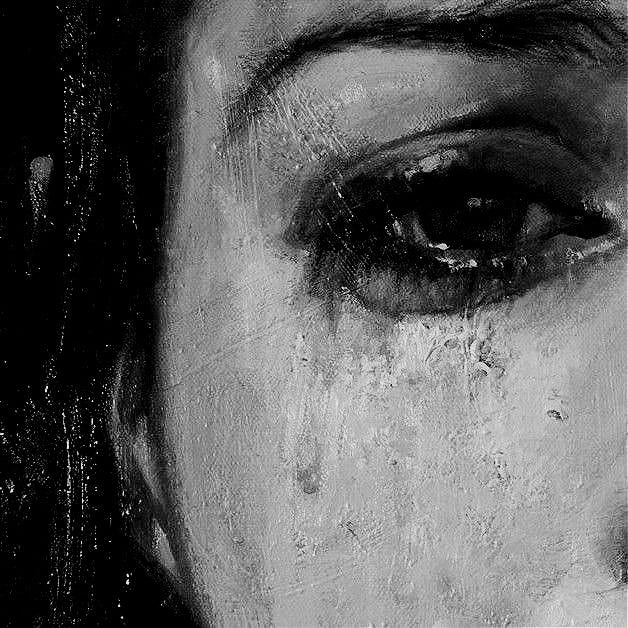
Note: I asked a.i to explain these traditions in detail for the reader.
🔪 Karo-Kari (کارو کاری) – “Black Male, Black Female”
Definition: A form of honor killing, where a man (Karo) and a woman (Kari) are accused of having an illicit relationship (real or perceived).
Punishment: Often execution by male family members—sometimes without evidence. The crime is portrayed as restoring family honor.
Regions: Especially prevalent in Sindh and Balochistan.
Current Status: Illegal under Pakistan’s penal code, but underreported and often settled through tribal jirgas (councils).
⚠️ Example: A woman can be declared "Kari" just for speaking to a man outside marriage. Her male relative then has the “right” to kill her without due process.
👶 Swara (سوارہ) – Girl Given as Compensation
Definition: A young girl is forcibly married off to a rival clan as part of a settlement to end feuds—often in exchange for a murder or serious crime committed by a male family member.
Origin: Practiced among Pashtun tribes, especially in Khyber Pakhtunkhwa and parts of Balochistan.
Victim’s Age: Often as young as 5–12 years old.
Purpose: Seen as a way to “repay blood with blood” and avoid prolonged tribal warfare.
⚠️ These girls are frequently abused, isolated, and denied access to education or legal protection.
🧕 Vani (وانی) – Punjab’s Parallel to Swara
Definition: Similar to Swara, Vani is the custom of giving a young girl in marriage to an opposing tribe or family to resolve disputes, most common in Punjab.
Legality: Banned under the Child Marriage Restraint Act and Vani Act (2011), but enforcement remains weak.
🩸 Jirga (جرگہ) – Tribal Council
Region: Tribal areas of Balochistan, KP, Sindh
Function: A council of tribal elders (always male) who settle disputes based on custom, not state law.
Issues:
Not legally sanctioned, but still widely practiced.
Often forces women into Vani/Swara or punishes them under Karo-Kari accusations.
No female representation.
Can override Pakistan's constitutional protections.
Thank you for reading this. I hope it made a difference for her. I decided to share her story so that her resilience isn’t wasted.
Do check out My Novel
It is based on the story of June, a 21-year-old Lebanese-Iranian girl, who feels caged by the conservative traditions of her village. She breathes freely only through her words—her poetry. After the death of her mother, Mira, she wrestles with deep loneliness, until she connects with someone who changes the way she thinks about life… without even meeting her.
Thank you for your time!
This is still common in some Kurdish families too, unfortunately. My heart hurts for people in situations like this! Thank you for sharing! We need stories like this!
Thank you for providing a window into something I have written about (arranged marriage, women's rights in India and Pakistan etc, suicide) but do not understand on a personal level. To really feel these social phenomena it's essential to read and listen to those who understands it from the inside out, as a social and personal reality. Statistics and cultural analysis are very important, but the stories of real people (fictionalised or not) bring a whole new dimension which nothing else can.
Marriage should not be a trap, but nor should it be something we relinquish at the first sign of trouble. India has a 1% divorce rate and I imagine Pakistan has something similar. Some western countries have 50% +. The best solution for all is likely somewhere between these extremes.
Thank you, Sanya))